
Catch
The Blue Wave!
Wear the colors and show your pride.
Support our national team at the 2026 World Cup!

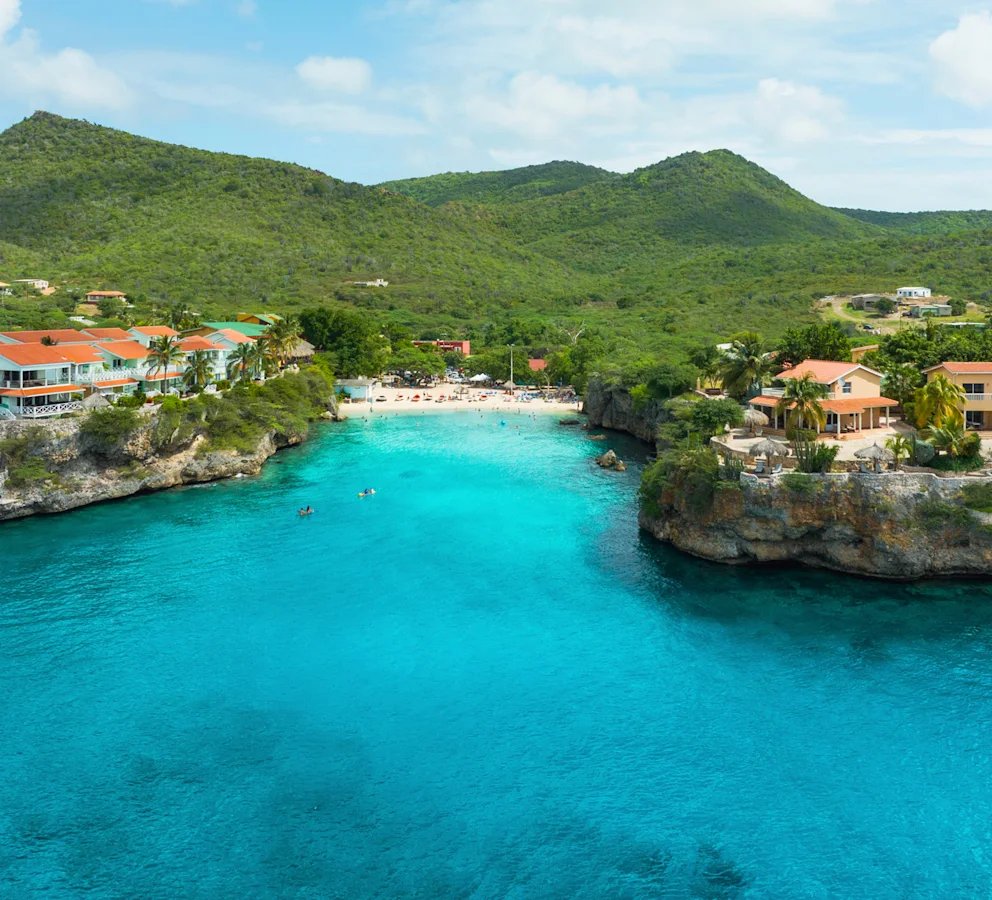
DUSHI, A WHOLE NEW VIBE IS READY FOR YOU
Curaçao is the vacation destination of your dreams. This colorful, vibrant island is home to some of the best beaches in the Caribbean, top-rated hotels and all-inclusive resorts, unique cultural experiences and events, and endless activities for families, friends, and couples. Every element, from the scenic views to the upbeat spirit of the local community is uniquely, and authentically Curaçao.
Make this Caribbean island your next getaway and feel it for yourself.
EVERYTHING UNDER THE SUN
Make the most of your time in Curaçao with a getaway that pours relaxation, adventure, and culture like no other, right back into you.


EVENTS
Of course, an island overflowing with energy, spirit, and close-knit communities would have an array of events to offer. Check out the latest and greatest and join in on the fun!
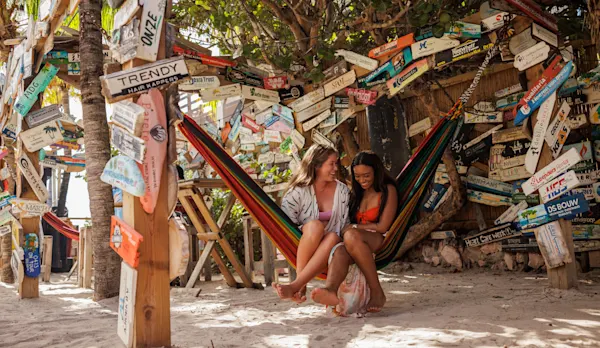


STAY IN THE KNOW
Curaçao gets better every day. Stay up to date with all the excitement from announcements and awards, to travel tips and more reasons to explore.




By browsing Curacao.com, you accept the use of profiling cookies from Curaçao Tourist Board and affiliated third parties. More information about cookies and Privacy Policy.