




Last updated: June 2026
Is Curaçao good for diving and snorkeling?
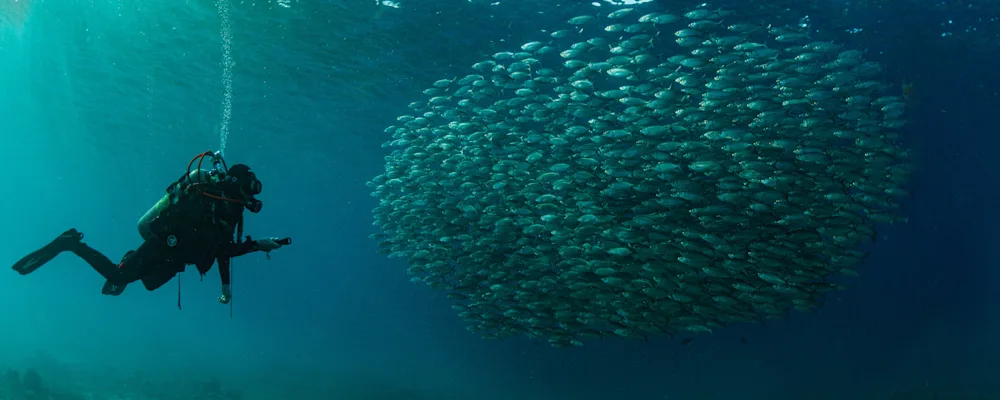
Yes. Curaçao is one of the world's premier diving and snorkeling destinations. The island was named Caribbean Dive Destination of the Year in 2026 at the Caribbean Travel Awards and recognized as Best Overall Dive Vacation Destination in the Caribbean at the 2026 Scuba Diving Readers' Choice Awards.
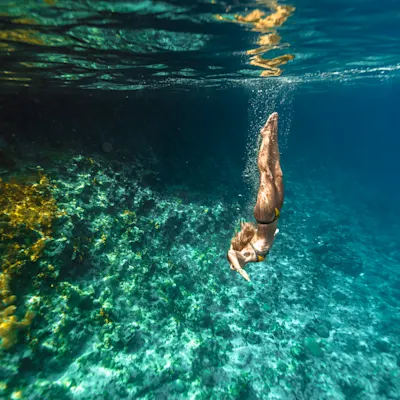
Curaçao has over 70 world-class dive sites, with more than 38 accessible directly from the beach. Water visibility averages 20-30+ meters, water temperature stays at 26-28°C (79-82°F) year-round, and diving conditions remain excellent throughout the year. The island's location outside the hurricane belt ensures consistent conditions even during Caribbean rainy season.
Why is Curaçao known for shore diving?
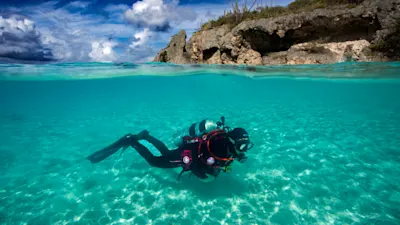
Curaçao's fringing reef system begins just feet from shore, allowing divers to access world-class dive sites directly from beaches. Unlike many Caribbean destinations that require boat trips to reach healthy reefs, Curaçao's shore diving lets divers gear up in parking lots, walk a few feet, and descend onto pristine reef walls.
Shore diving advantages in Curaçao:
- No boat costs or schedules required
- Flexible dive times (dive when you want)
- Easy entry from beaches
- Ability to dive the same site multiple times
- Ideal for photographers who want extended bottom time
- Perfect for divers who prefer independent diving
Popular shore dive entry points include Playa Kalki, Playa Porto Mari, Cas Abao Beach, and dozens of other accessible locations along the southern and western coasts.
What are the best dive sites in Curaçao?
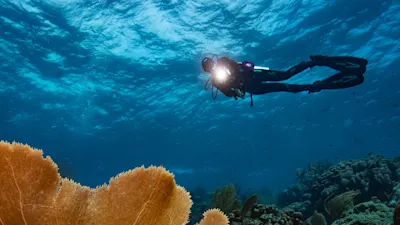
Alice in Wonderland (Playa Kalki): Consistently rated the #1 shore dive in Curaçao. Features mushroom-shaped coral formations, abundant fish life, and easy shore entry. Suitable for intermediate divers. Depth: 15-28 meters.
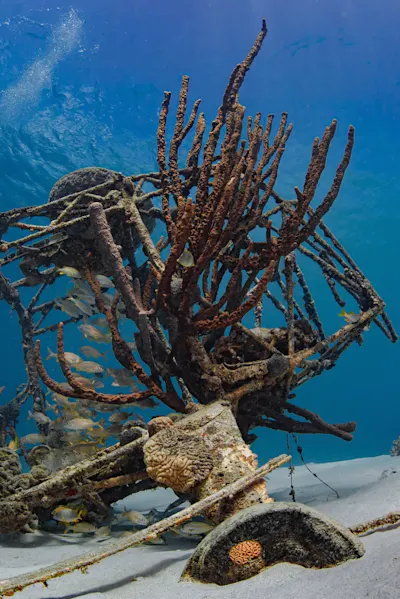
Tugboat Wreck (Caracas Bay): Perfect beginner dive. Small tugboat wreck sits in shallow water (5-12 meters) close to shore. Covered in coral and surrounded by tropical fish. Easy entry from Tugboat Beach.
Superior Producer Shipwreck (Willemstad): Large cargo ship wreck resting upright on the ocean floor. Suitable for intermediate to advanced divers. Depth: 18-30 meters. Attracts large schools of fish and offers excellent underwater photography opportunities.
Blue Room Cave: Underwater cavern where sunlight creates blue light effects. Access requires swimming through an underwater entrance. Intermediate level. Depth: 10-20 meters.
Mushroom Forest: Named for large mushroom-shaped coral formations. Features swim-throughs, diverse coral species, and abundant marine life. Popular with underwater photographers.
Director's Bay: Advanced dive site featuring steep walls and drop-offs. Known for encounters with larger pelagic species. Depth: 20-40+ meters. Typically accessed by boat.
Playa Porto Mari: Shore-accessible double reef system excellent for both snorkeling and diving. Known for sea turtle sightings. Suitable for all skill levels with depth options from 5-25 meters.
Watamula: Advanced site on the northwestern tip with strong currents and dramatic wall diving. Depth: 20-40 meters. Experienced divers only.
Can beginners dive in Curaçao?
Yes. Curaçao is ideal for beginner divers. Many dive sites have calm conditions, minimal currents, and easy shore entries. Shallow sites like Tugboat Wreck (5-12 meters) and sections of Playa Kalki provide safe environments for new divers to build skills.
Curaçao offers PADI Open Water Diver certification courses, Advanced Open Water, Rescue Diver, and specialty courses including wreck diving, deep diving, night diving, and peak performance buoyancy. Many courses include classroom learning, confined water sessions, and open water dives at beginner-friendly sites.
Junior certifications are available for younger divers. The island's consistent conditions, warm water, and professional dive operators make it an excellent place to learn.
Is it safe to dive in Curaçao?
Yes. Curaçao is one of the safest diving destinations in the Caribbean. The island's calm waters, minimal currents, and protected marine park create ideal conditions for safe diving at all levels. Professional dive operators follow international safety standards and conduct thorough briefings before each dive. Shore entries are straightforward at most sites with clear descent paths and good visibility.
The island's modern healthcare facilities, including decompression chambers, provide emergency medical support if needed. Curaçao's recognition as a world-class diving destination reflects decades of safe diving practices and professional infrastructure. Divers should follow standard safety protocols including staying with dive buddies, monitoring air supply, and maintaining proper buoyancy to protect both personal safety and the marine environment.

What are the best snorkeling spots in Curaçao?
Playa Lagun: Small, protected bay with easy beach access. Calm water suitable for beginners. Fish, sea turtles, and coral visible from the surface. No boat required.
Cas Abao Beach: Calm water with coral gardens close to shore. Clear visibility. Full beach facilities including gear rentals, restrooms, and parking. Gentle slope suitable for all skill levels.
Blue Bay Beach: Gentle slope with clear visibility. Coral reef accessible from shore. Calm conditions ideal for families and beginner snorkelers.
Playa Porto Mari: Double reef system with excellent snorkeling. Sea turtle sightings common. Beach facilities and gear rentals available. Suitable for all levels.
Jan Thiel Beach: Snorkel reef close to shore with good visibility. Beach clubs, restaurants, and facilities nearby. Easy access and calm water.
Klein Curaçao: Small uninhabited island about 50 minutes by boat from main island. Pristine reefs with shallow banks, excellent visibility, and abundant marine life. Full-day boat trips available through multiple operators including Blue Finn Charters, Irie Tours, Bounty Adventures, Mermaid Boat Trips, and Breeze Boat Trips.
Snorkel gear rentals are available at most beaches and dive shops across the island.
What marine life can you see diving in Curaçao?
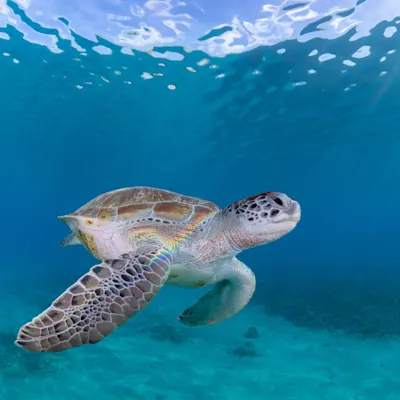
Curaçao Marine Park protects over 65 coral species and 350 fish species. The park spans 21.7 kilometers along the southeast coast and serves as critical habitat for marine life and nursery for juvenile reef fish and sea turtles.
Common sightings include:
· Sea turtles (multiple species)
· Rays (southern stingrays, eagle rays)
· Tropical reef fish (parrotfish, angelfish, tangs, groupers)
· Eels (moray eels, garden eels)
· Octopus and squid
· Barracuda
· Nurse sharks
· Colorful sponges
· Hard and soft corals including endangered elkhorn and staghorn corals
Night dives reveal different marine life including octopus, lobster, crabs, and bioluminescent organisms.
Do you need a boat to dive in Curaçao?
No. Shore diving is Curaçao's signature diving style. Over 38 world-class dive sites are accessible directly from beaches without boats. Divers can explore different sites daily without boat schedules or costs.
Boat diving is available for divers who want to access more remote sites, deeper walls, or drift dives. Boat dives reach locations like:
· Director's Bay
· Eastpoint drift dives
· Deep water walls on the northern coast
· Sites beyond easy shore access
Both shore and boat diving offer excellent marine life and reef conditions. Shore diving provides convenience and flexibility. Boat diving expands site variety.
What is the water temperature in Curaçao?
Water temperature remains consistent at 26-28°C (79-82°F) year-round. Wetsuits are not required for most divers, though some prefer a thin wetsuit (3mm) for longer dives or personal comfort. Water temperature does not vary significantly between seasons.
What is the visibility like diving in Curaçao?
Underwater sight lines typically extend 20-30+ meters depending on conditions and location. The dry season (December through April) offers peak clarity, though conditions stay excellent year-round.
Factors contributing to Curaçao's exceptional visibility:
· Location outside hurricane belt (minimal storm disruption)
· Limited rainfall (500-600mm annually)
· Minimal river runoff
· Protected marine park regulations
· Healthy reef ecosystems that filter water naturally
When is the best time to dive in Curaçao?
Year-round. Curaçao's location south of Atlantic hurricane path means diving conditions remain consistent throughout the year, including during Caribbean hurricane season (June-November).
Peak visibility season: December through April (dry season with minimal rainfall) Excellent conditions: May through November (slightly more rainfall but still minimal) Water temperature: Consistent 26-28°C (79-82°F) all year Trade winds: Provide surface cooling and keep seas calm
Unlike destinations affected by hurricanes, Curaçao divers do not need to avoid specific months or worry about weather disruptions.
What dive certifications do I need?
Shore diving: Open Water certification allows access to most shore dive sites. Some advanced sites require Advanced Open Water certification.
Boat diving: Certification requirements vary by site depth and conditions. Advanced Open Water recommended for deeper sites.
Wreck diving: Open Water sufficient for shallow wrecks like Tugboat. Advanced certification required for deeper wrecks like Superior Producer.
Cave/cavern diving: Specialized certification required for sites like Blue Room Cave.
Dive operators verify certification levels before allowing access to advanced sites. This ensures diver safety and protects marine environments.
Are there dive operators in Curaçao?
Yes. Curaçao has numerous professional, licensed dive centers with multilingual staff and modern equipment. Operators offer guided dives, equipment rentals, certification courses, and boat trips. Consult a list with quality assured dive operators here.
When booking, confirm:
· Certification level required for your chosen sites
· Equipment rental availability and costs
· Shore dive vs boat dive options
· Group size and private dive availability
· Nitrox availability if certified
Most operators offer packages combining accommodations, vehicle rentals, and unlimited air or nitrox for multi-day dive vacations.
What are Curaçao Marine Park regulations?
Curaçao Marine Park, managed by CARMABI, implements regulations to protect reef ecosystems:
· No anchoring on coral (mooring buoys provided at key sites)
· No touching or standing on coral
· No collecting marine life or shells
· No feeding fish
· Maintain proper buoyancy to avoid reef contact
· Use reef-safe sunscreen only
· Follow designated dive site rules
These regulations ensure healthy reefs for future generations. The marine park's conservation efforts include coral restoration projects and scientific research to maintain ecological health and resilience against climate change.
Can you dive Klein Curaçao?
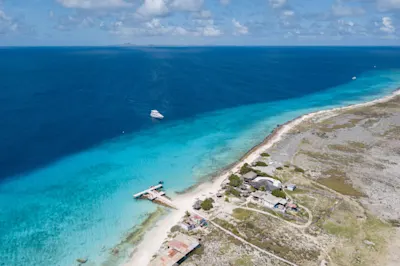
Yes. Klein Curaçao is a small uninhabited island accessible by boat offering pristine reef diving and snorkeling. The island features white sand beaches, a historic lighthouse, multiple shipwrecks, and excellent underwater visibility.
Day trip operators including Blue Finn Charters, Irie Tours, Bounty Adventures, Mermaid Boat Trips, and Breeze Boat Trips offer full-day excursions. Trips typically include snorkeling equipment, lunch, drinks, and approximately 90 minutes of boat travel each way.
Klein Curaçao dive sites feature shallow coral banks, deeper walls, and abundant marine life including sea turtles. The island's remote location ensures pristine conditions with minimal diver traffic.
Is Curaçao good for underwater photography?
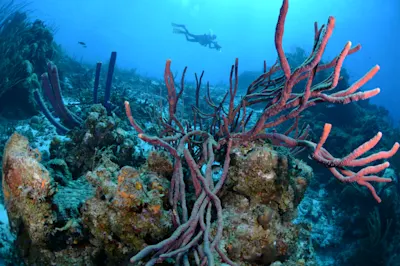
Yes. The island's underwater sight lines (reaching 20-30+ meters), diverse marine life, colorful coral formations, accessible wrecks, and calm conditions make it ideal for underwater photography.
Shore diving allows photographers extended bottom time without boat schedules. Shallow sites like Tugboat provide excellent lighting conditions. Deeper sites offer dramatic wall compositions. Wrecks like Superior Producer create interesting structural subjects.
The abundance of sea turtles, rays, and colorful reef fish provides subject variety. Night diving reveals different species and behaviors. Many dive operators cater specifically to photographers with specialized services.
Can divers participate in coral restoration?
Yes. Curaçao Marine Park, managed by CARMABI (Caribbean Research and Management of Biodiversity), runs ongoing coral restoration projects that divers can support or participate in. These efforts focus on rebuilding populations of endangered elkhorn and staghorn corals and maintaining reef health.
The marine park conducts scientific research and conservation work to ensure ecological resilience against climate change. Coral nurseries grow coral fragments that are later transplanted to damaged reef areas.
Some dive operators and conservation organizations offer programs where visiting divers can participate in reef monitoring, coral planting, or citizen science projects. These experiences combine diving with hands-on marine conservation, allowing divers to contribute directly to reef protection efforts.
Contact local dive operators or CARMABI directly for information about conservation dive opportunities and volunteer programs available during your visit.
Why choose Curaçao for diving?
Curaçao combines characteristics rare in a single destination: over 70 world-class dive sites with 38+ accessible from shore, exceptional visibility, warm water year-round, location outside the hurricane belt for consistent conditions, diverse marine life protected by marine park regulations, professional dive infrastructure, and suitability for all skill levels from beginners to technical divers.
The island's shore diving accessibility eliminates boat dependency, reduces costs, and provides scheduling flexibility. Divers can explore different sites daily, return to favorites multiple times, and dive on their own schedules.
For divers seeking variety beyond underwater exploration, Curaçao offers 35+ beaches, a UNESCO World Heritage capital, national parks, cultural experiences, and excellent dining, making it ideal for mixed groups including non-divers.