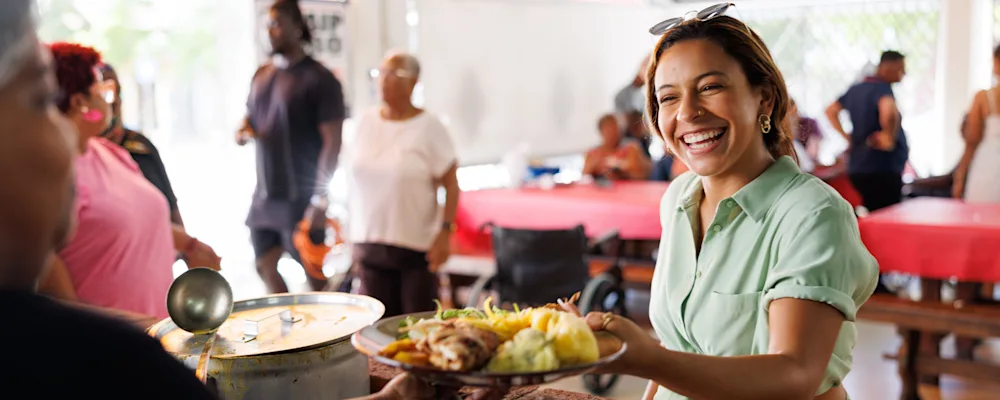





Curaçao's kitchen blends European, African, Caribbean and Arawak influences into a style locals call Krioyo, and trying it is one of the best ways to get a feel for the island beyond the beach.
What are some must-try local dishes?
To truly experience Curaçao’s local cuisine, be sure to try some of the island’s traditional dishes. Local favorites include mondongo, a hearty soup made with cow’s tripe; kadushi, a soup prepared with cactus; red bean soup; and yambo, a flavorful okra soup.
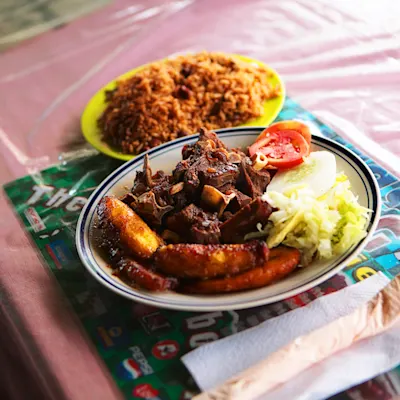
For a taste of the sea, try piska hasá, seasoned fried fish, often served with tutu, a comforting mix of cornmeal and beans. Meat lovers can sample stoba di kabritu, a slow-cooked goat stew, or stoba di rabu di baka, a rich oxtail stew. Another traditional specialty is sanger di kabritu, a dish made with goat’s blood, often enjoyed with pan sera, a local bread with a soft, slightly sweet texture.
Funchi, a firm cornmeal side dish similar to polenta, is another staple, commonly served alongside fish, kadushi or bonchi kora, a variety of red beans. These dishes offer a delicious introduction to Curaçao’s culinary heritage and the island’s blend of Caribbean influences. Feeling adventurous? If you’re a daredevil, finish your culinary journey with a bowl of iguana soup, a traditional local dish made with iguana meat.
What local snacks should I try in Curaçao?
Curaçao’s local snacks are perfect for a quick bite while exploring the island. Try a pastechi, a golden, half-moon pastry filled with cheese, chicken, beef or tuna, or a johnny cake, a lightly fried bread often enjoyed with savory fillings. Other local favorites include repa di pampuna, a pumpkin-based pancake; kala, a spicy fritter made with black-eyed peas and flour; and kaasbal, a crispy, deep-fried cheese ball.
If you have a sweet tooth, save room for traditional Curaçaoan treats. Bolo di manteka is a buttery cake, bolo di pruimi is a prune cake, and bolo di kashupete is a cashew cake. For something richer, try bolo pretu, a dark, spiced cake often served at celebrations, or koi lechi, a sweet milk-based treat. These local bites are a delicious way to discover another side of Curaçao’s food culture.
Where can I eat local food in Curaçao?
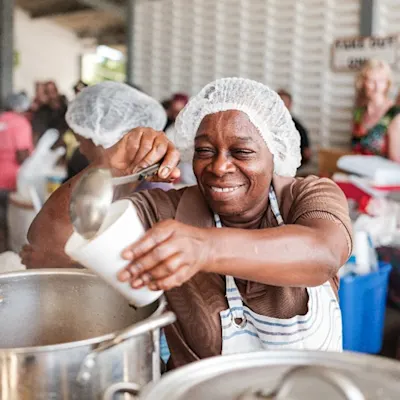
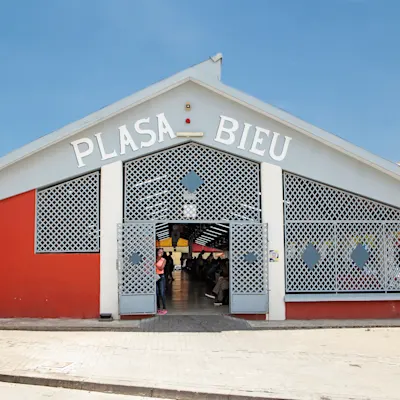
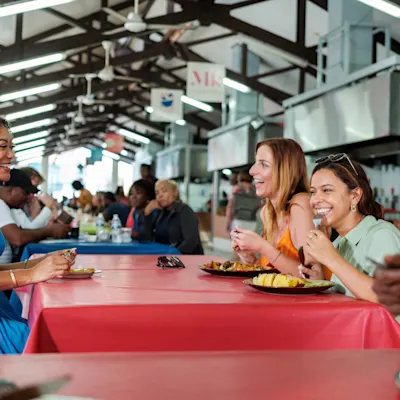
For an authentic taste of Curaçao, there are plenty of places to discover the island’s local cuisine. Plasa Bieu, the Old Market in Willemstad, is a great place to sample a variety of traditional dishes, from hearty stews and fresh fish to local sides, all served in a lively, informal setting.
For a sit-down meal, Komedor Krioyo at Landhuis Dokterstuin serves classic dishes such as stobá in a restored historic mansion. Komedor Krioyo Plus, located on Schottegatweg, is another option for enjoying traditional Curaçaoan food. In Westpunt, Jaanchie's is known for its local specialties and seafood, including iguana soup for the more adventurous.
Other spots worth exploring include Marshe di Barber, where local flavors and island traditions come together, Eddy’s Place in Boca Sami, known for its seafood and octopus dishes, and Shelterrock Paradise, where visitors can enjoy local food in a relaxed island setting.
What local drinks should I try?
Blue Curaçao is the island's signature drink, a vibrant citrus liqueur made from the dried peels of the laraha fruit and still produced right on the island by Senior Liqueur at Landhuis Chobolobo, where visitors can tour the distillery and taste it straight from the source. In Otrobanda, visit the Swinging Old Lady Brewery for great craft beer, food and beautiful waterfront views.
On the non-alcoholic side, awa di lamunchi, a limeade made from the island's small, aromatic key limes, is a beloved local classic, and Fria, a homegrown soda in several fruity flavors, is worth trying alongside it. Awa di koko, coconut water served straight from the shell at beach stands, rounds out the list for a hot day in the sun.
Bring the flavors home
Whether it's a sweet ko’ lechi dessert or a slice of traditional bolo (cake), the best way to understand Curaçao is often through its food. Enjoy a pastechi for a quick local bite, sample some of the island’s traditional sweets, and don't leave Curaçao without a taste of authentic Blue Curaçao liqueur straight from Chobolobo.